
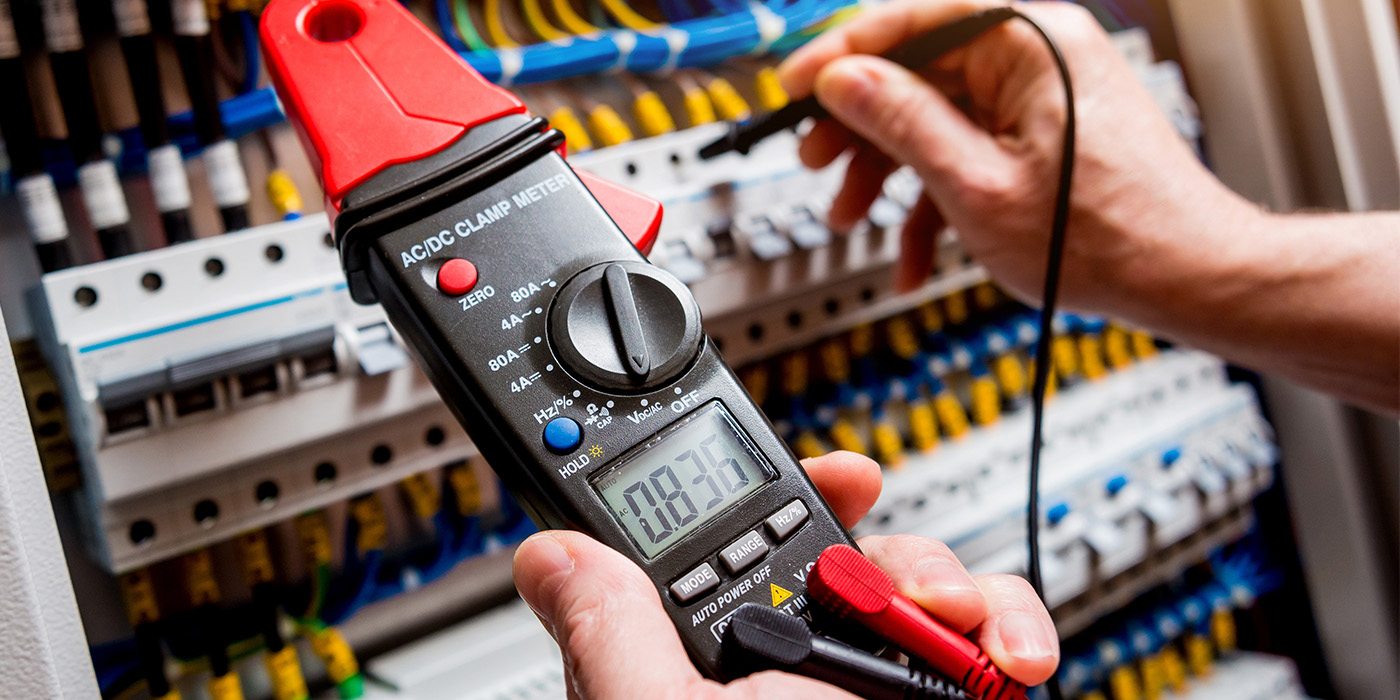
Electrical and Electronics Technician Certification
Electrical and Electronics Technician Certification with Lab Kit (Tools Included)
Become a Skilled Technician in the Electrical Industry
Gain an essential understanding of basic circuit theory with content designed for entry-level electrical and electronics technician students - no prerequisites required. Learn to read electrical schematics, perform diagnostic assessments, and apply troubleshooting techniques as you train for a successful electrical or electronics technician career.
You will dive into real-life case scenarios, hands-on labs, circuit simulations, and over 200 engaging safe-to-fail activities with immediate feedback, which will be used to help you reinforce learning outcomes.
Upon completing the course, you will earn your electronics technician certification, a valuable asset as you launch your new career. Once you have this foundation, you can explore opportunities in specialties like industrial electronics, avionics, telecommunications, wireless technologies, alarm security, SMART technologies, commercial audio, radar and antenna systems, and more.
Prerequisites
There are no prerequisites to take this course. However, this course requires basic computer skills, including the ability to open and manage windows, navigate websites, and perform common online tasks such as downloading files, completing forms, and using web-based tools.
Program Length
The self-paced, 100% online program takes approximately 160 hours to complete. Course materials are available for 12 months upon purchase.
Tuition Costs
Enrollment in Sterile Processing Technician costs $3,564.
Lab Kit and Tools are included.
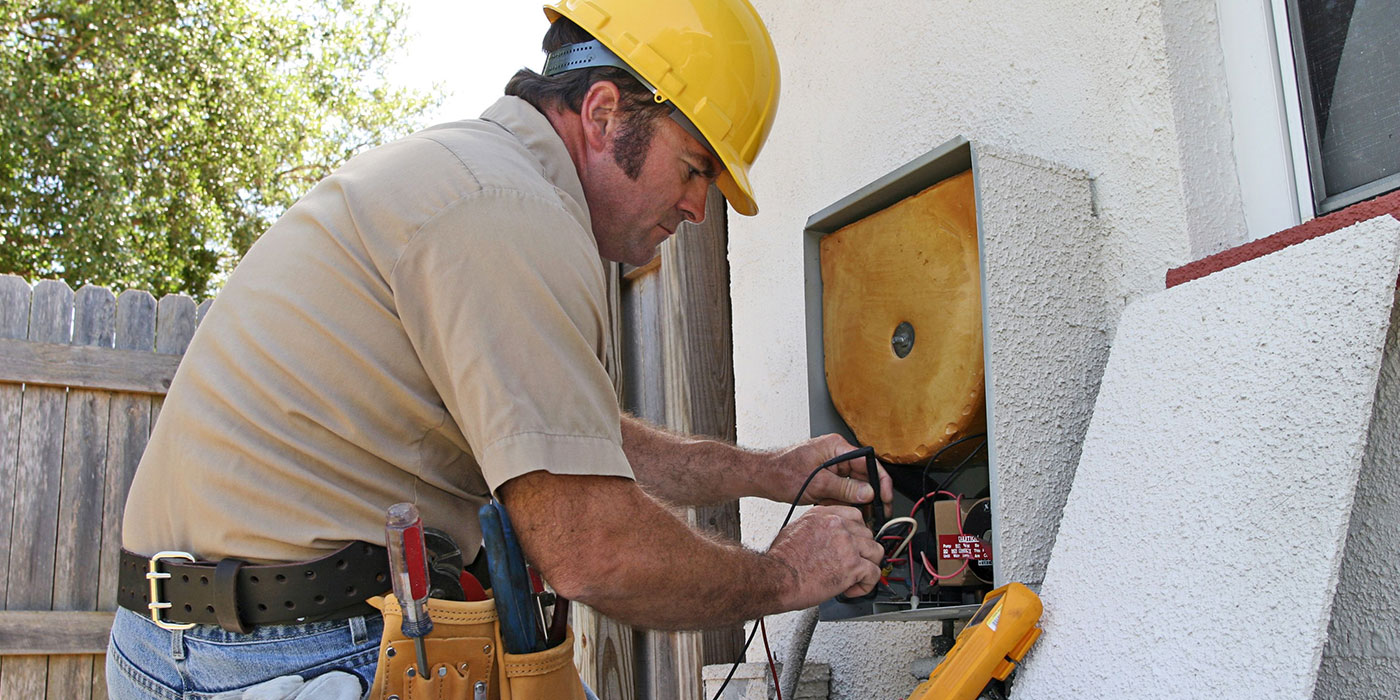
Course Objectives
- Safety: Develop a strong understanding of safety procedures in the electrical industry, emphasizing personal protective equipment (PPE), hazard identification, and safe work practices
- Electrical Drawings: Learn to interpret and sketch various types of electrical diagrams, enabling effective communication and comprehension of electrical systems
- Troubleshooting Skills: Develop a systematic troubleshooting skillset for electronic systems and equipment, allowing for efficient problem identification and resolution
- Lab Experiences: Gain hands-on experience working with electrical components, building and analyzing circuits both with a physical lab kit and in virtual simulations
- Workplace Scenarios: Apply learned concepts and problem-solving skills to real-world workplace scenarios, simulating on-the-job problems and challenges that electrical technicians may encounter
Additional Information
About the Instructor
Jorge Garcia
Jorge Garcia has over 20 years of experience in the electrical field as both a practicing and electrical instructor. He has been a licensed electrician since 2000 and currently holds an Electrical Contractor and Master Electrician license from Texas. Jorge currently serves as the Department Chair for Construction, Manufacturing, Transportation Technology at Texas Southmost College. Additionally, he has over 15 years in business as an Electrical Contractor for Exit Light Services. Jorge has an Associate degree in Electrician Technology, a Bachelor of Science in Criminal Justice, a Master of Science in Management and Leadership, and is currently in a Learning Technology Ph.D. program. He also holds a Fire Suppression License from the State Fire Marshal Office, Licensed Irrigator, Limited License Electrician from Tennessee, License in Bilingual & Technology Education from Texas Education Agency, National Center for Construction Education & Research (NCCER) Electrical Instructor Certification, and an Occupational Safety and Health Administration (OSHA) Authorized Trainer license.
Nate Eaton
Nate Eaton brings a unique blend of instructor and practical experience to his instructor role for the Electrical Technician course. He holds multiple licenses and certificates for his field of work. Nate holds an associate degree in construction electricity from Northwest State Community College. He holds a diploma as a master/trainer instructor and has been a keynote speaker for a local high school graduation.
Additional Information
Some duties for an electrical technician include:
- Reading blueprints and technical diagrams to determine the placement of outlets and fixtures
- Installing wiring, outlets, and controls
- Maintaining electrical systems
- Inspecting transformers and circuit breakers to ensure they are up to code
- Identifying electrical problems using specialized tools like voltmeters, cable testers, thermal scanners, and ammeters
- Repairing and replacing wiring and equipment using both power and hand tools
- Training and directing fellow workers to install, maintain, and repair systems and wiring
- Following local and state building requirements
Some duties of an electronics technician include:
- Diagnosing and repairing electronic equipment
- Assembling equipment or components
- Interpreting technical blueprints and schematics
- Calibrating electronic equipment to manufacturer specifications
- Designing electrical equipment or systems
- Performing preventative maintenance on electric systems
- Maintaining electronic equipment
- Collaborating with engineers and other technicians
- Upgrading technology and software systems
- Troubleshooting electronic systems
- Documenting processes and maintaining service records
View course description and more information on the purchasing page.
What is an electrical technician?
Electrical technicians help create, maintain, and repair the electronic components and equipment used in any equipment or device that involves electricity. They also can sometimes work with electricians or electrical engineers or work on site to keep machinery and specialty equipment running correctly.
What is an electronics technician?
An electronics technician is a professional who works with electrical and electronic equipment, such as computers, medical devices, and navigation systems.
Does this course prepare me for a certification?
Yes. This course prepares you for Associate Certified Electronics Technician (CETa) developed by the Electronics Technicians Association, International, Inc.
What is the Job Outlook?
According to Glassdoor, the average U.S. salary for an electrical technician is $64,133.

Support Just for You
Have questions? Contact Loyola’s Office of Professional and Continuing Studies to speak one-on-one with a member of our team.